MR.NEWZ NETWORK
OPINION
Clowns, Signs, and the Line Between Outrage and Intimidation
Clowns, Signs, and the Line Between Outrage and Intimidation
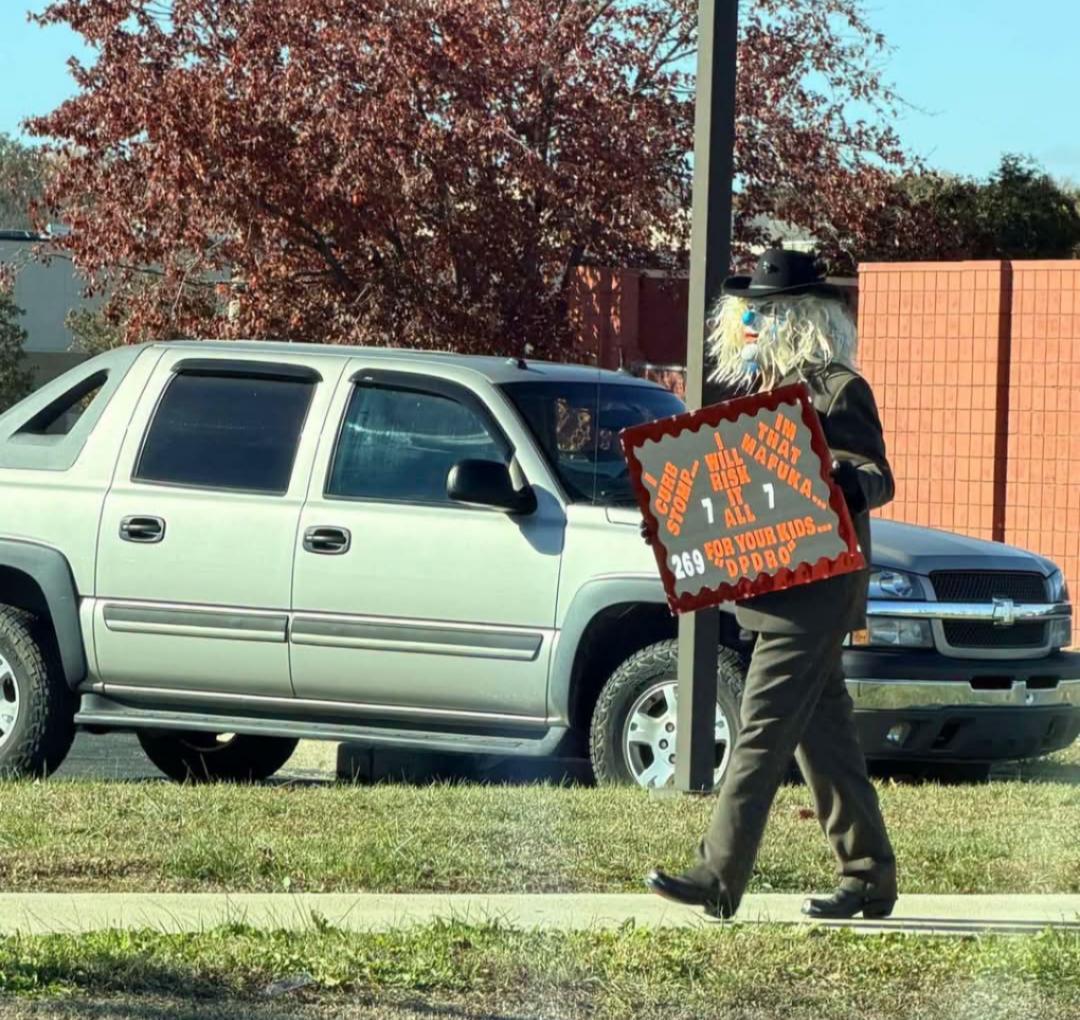
On November 12, people dressed as clowns stood along Green River Road in Evansville holding signs that left little room for polite interpretation. One visible message included the letters DPDRO — shorthand, as commenters quickly noted, for “Dead Pedophiles Don’t Re-Offend.” Other phrasing on the boards was more blunt still. Police were called. By accounts from the scene, officers told the group to stay safe and left it at that.
The underlying judgment is not hard to share. Sexual offenses against children are among the worst things a person can do. The harm is lasting, the victims are the least able to protect themselves, and the public has every reason to demand that the justice system treat these cases with seriousness. Many residents have watched high-profile matters end in plea agreements that look, from the outside, lighter than the conduct warranted. Indiana has charged thousands of people with child-sex offenses in recent years; the volume of cyber tips has grown sharply; and prosecutors still rely heavily on deals that spare child victims from testifying. That pattern feeds a reasonable sense that the system is not always as firm as the crime is grave.
What happened on Green River Road is a different matter. The demonstration offered no statistics, no named cases, no proposed statutory changes, and no clear ask of any lawmaker or prosecutor. It was a roadside display of threat-adjacent slogans delivered in costume. The official website attached to the DPDRO label is careful: it says the slogan means life without parole where the law allows it, civil commitment where appropriate, and opposition to parole — not private violence, not publishing addresses, not stalking. The signs and the costumes on the street did not read that carefully. To a driver or a passerby, the distinction is easy to miss.
Social media discussion of the Evansville appearance also noted that one person photographed with the group has two prior domestic-battery convictions. That detail is not a small footnote. Even people with criminal records can hold ordinary standards about the protection of children. The harder question is whether a campaign with loose messaging and no coherent public face is mainly attracting disciplined advocates — or is also giving people already comfortable with violence a low-cost way to look tough in public. Conduct that would normally be treated as intimidation can be rebranded as “awareness” when it comes wrapped in a clown mask and a hashtag. Police on the scene apparently saw no immediate offense; the broader pattern still invites the charge that the performance is doing more for the performers than for any child or any statute.
Outrage at the abuse of children is justified. Pressure for firmer charging, fewer soft landings, and clearer sentencing outcomes is legitimate. What is not legitimate is treating a public right-of-way as a stage for vague threats while the actual work of changing laws or supporting victims stays offstage. The difference between demanding that the system keep the worst offenders locked up and standing on a roadside in costume implying that private violence is a public service is not a small one. One can be done without the other. The Green River Road display did not show that distinction clearly, and the company it keeps makes the distinction harder to trust.