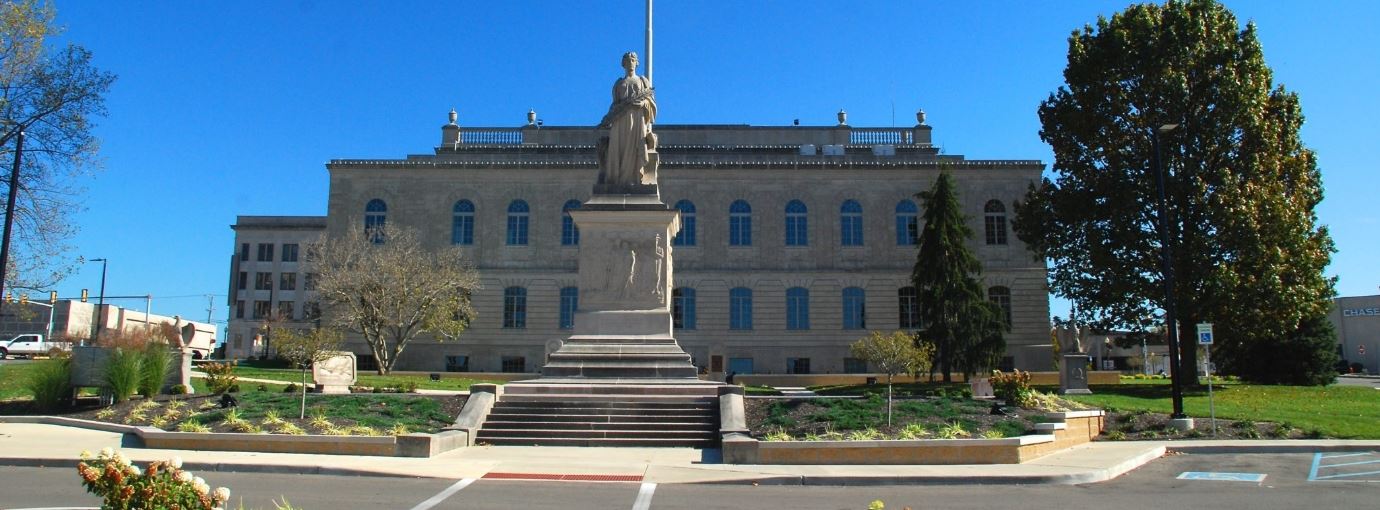
WVUT Breaks Free from PBS: A Brave Reclamation of Local Airwaves for Southwestern Indiana

Vincennes University station ends national affiliation tonight, June 30, 2026, choosing independence over strings attached to federal funding cuts and centralized control
VINCENNES, Ind. — As the clock strikes midnight and June 30, 2026, becomes July 1, WVUT-TV (virtual channel 22) will no longer be a PBS affiliate. The Vincennes University-owned station, long branded Vincennes PBS and serving Knox County, the Terre Haute market, and surrounding rural communities across southwestern Indiana, is stepping into a new chapter as an educational independent broadcaster.
This isn’t a retreat or a surrender to funding shortfalls. It’s a deliberate, clear-eyed decision to put the people it actually serves first—Hoosier families, students, and communities who have relied on channel 22 for educational programming, local student journalism through NewsCenter 22, public affairs via 22 Magazine, and cultural content for nearly six decades.
From NET to PBS to Independence
WVUT signed on February 15, 1968, as part of National Educational Television (NET) before joining the newly reorganized Public Broadcasting Service in 1970. Housed at Vincennes University with sister station WVUB-FM, it has functioned as a vital public service link in an area where over-the-air options remain essential and commercial media often overlooks rural realities.
The April 2026 announcement from Vincennes University was straightforward: following the 2025 loss of federal Corporation for Public Broadcasting support and related state funding, leadership conducted a hard review of long-term sustainability. Rather than limp along under a model that no longer pencils out or beg for scraps from a distant national structure, the university chose autonomy.
Interim General Manager Kevin Watson noted WVUT’s longstanding role in community connection and pledged continued focus on serving the public, supporting student learning, and regional engagement. The station will keep airing PBS programming through the end of today to ease the transition for viewers.
The Uncomfortable Question PBS Doesn’t Want Asked
If PBS is truly a non-profit, grassroots model built “for the people,” why do its programs have to vanish from the local lineup the moment a station exercises its right to leave?
That’s the question WVUT’s move forces into the open. Beloved national content—documentaries, science series, children’s programming—doesn’t disappear because WVUT suddenly hates education or culture. It disappears because affiliation agreements tie access to centralized licensing, carriage rules, and brand control. Walk away from the club, and the keys to the national library get revoked.
This reveals the model’s core tension: public broadcasting was sold as an alternative to commercial gatekeepers, yet it developed its own sophisticated system of property protection and centralized authority.
PBS’s Track Record on Control and “Non-Profit” Realities
PBS and its ecosystem have long enforced intellectual property with the zeal of major studios. Through DMCA takedown mechanisms and automated Content ID partnerships (such as those used for Nova, Nature, Frontline, and PBS Kids properties), the organization has aggressively policed clips, fan archives, and user uploads on platforms like YouTube. Educational material meant to reach the widest possible audience gets treated as premium, restricted content—monetized where possible, locked down otherwise. Sesame Street in particular has seen strict controls, with archival access limited and unauthorized shares swiftly addressed.
Meanwhile, the funding picture has always been more complicated than pledge-drive rhetoric suggests. Corporate underwriting has long blurred the non-commercial line, prompting recent FCC scrutiny over announcements that sometimes veer close to promotional advertising. Public dollars have historically flowed into polished national productions and distribution arms that generate their own revenue streams through licensing, streaming passports, and merchandise. The result is a hybrid system: taxpayer and donor supported at the base, yet protective of brand equity and selective about what local stations can actually air without permission or payment.
It’s not pure volunteerism or hyper-local empowerment. It’s a professionalized national structure with real incentives around control and revenue protection—hardly the scrappy, community-owned ideal many still imagine from the early days of educational television.
Echoes of the Old UHF Independents
WVUT’s pivot carries a deeper resonance. Channel 22 occupies UHF real estate that, in the analog era, often hosted the most independent-minded broadcasters on the dial. While VHF channels carried the big three networks, higher UHF independents ran lean operations: local news and sports, syndicated classics, educational blocks, old movies, community programming, and whatever else connected directly with viewers and local advertisers.
Those stations answered to their communities and signal contours, not to a national programming service or underwriting guidelines from afar. WVUT’s move back toward educational independence—retaining subchannels for Create-style and children’s content while sourcing from a broader mix of public television partners and independent producers—recaptures some of that spirit.
Expect more room for locally relevant scheduling, expanded student involvement from Vincennes University, and programming decisions made in Knox County rather than filtered through national priorities. Details on the exact post-transition lineup are still emerging, but the direction is clear: direct service to the region without the affiliation handcuffs.
What Happens Next
For viewers across southwestern Indiana and the Wabash Valley, tonight is the end of one era and the start of another. WVUT has already signaled it will continue delivering educational, cultural, public affairs, and children’s content tailored to its audience. The station’s university ownership and student-produced newscasts provide a built-in pipeline for fresh local voices.
In a media environment dominated by streaming conglomerates, algorithm-driven platforms, and institutions increasingly detached from place, every act of local reclamation matters. WVUT isn’t promising to replace every PBS program one-for-one. It is promising to control its own destiny and answer first to the people who live within its signal.
That’s not a downgrade. That’s broadcasting remembering who it’s supposed to serve.
Stay tuned to channel 22. Support the station directly through Vincennes University as it builds this next chapter. And ask the harder questions about any “public” media model that makes independence feel like a loss rather than a liberation.