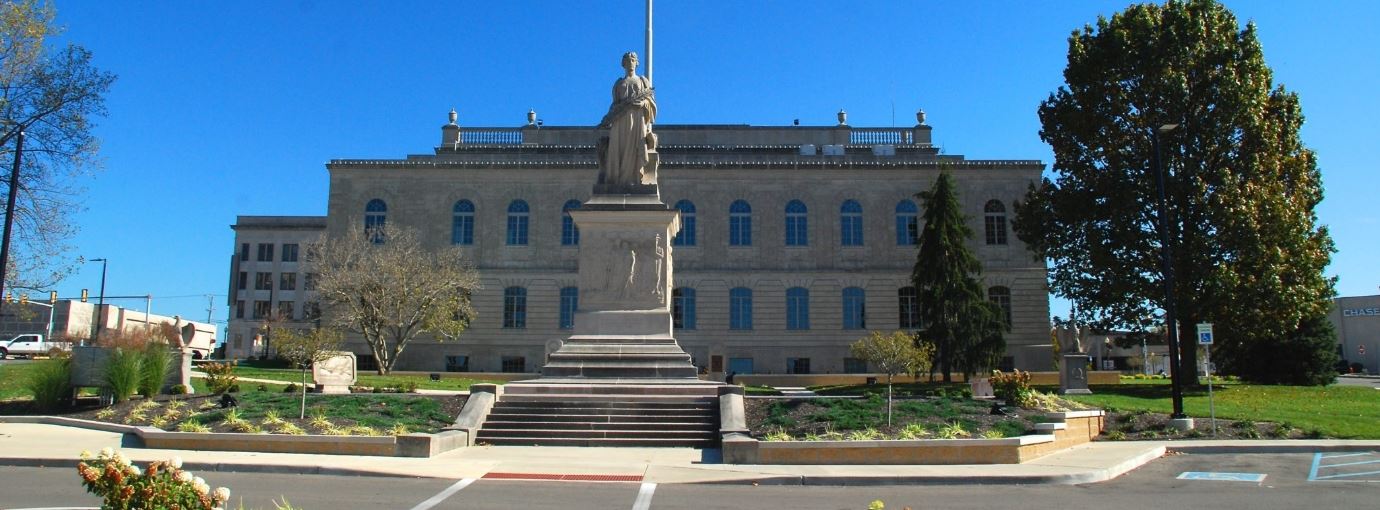
Walmart to Make Their Parking Lot Even More Unpleasant with the Addition of Fueling Station
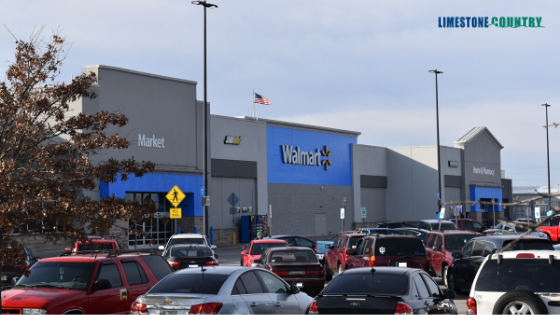
BEDFORD — Walmart Real Estate Business Trust received a $3.5 million building permit on December 2, 2025, for construction of a new fuel center at 3210 John Williams Boulevard, adjacent to the Supercenter at 3200 John Williams Boulevard. The project includes a walk-in convenience store and ten fuel pumps on the north side of the existing parking lot, as detailed in the city's permit report .
The City of Bedford Plan Commission granted a special exception permit for the development in October 2024. The adjustment to the parking ratio reduces available spaces from 1,041 to 896, a net loss of 145 spaces.
Local concerns center on the reduction in parking capacity within an already high-volume lot and the reconfiguration of traffic flow. The addition of dedicated pump access and circulation paths introduces new turning movements and conflict points in a layout that already requires careful navigation by shoppers.
Police logs and local reports document property damage accidents at the Walmart parking lot, including multiple recorded incidents over the years at 3200 John Williams Boulevard, such as a property damage accident reported in the parking lot . The projected increase in vehicle entries, exits, and idling associated with the fueling station will add volume to these patterns and heighten the risk of further collisions in the confined area.
The timing of this development aligns directly with the approved Wawa gas station and convenience store at 3304 Fifth Street, at the intersection of State Road 37 and Fifth Street. Wawa received its special exception permit in 2024, with ground breaking occurring in 2025 and construction activity increasing through 2026, as confirmed by city updates . Walmart’s addition of on-site fueling and a convenience component constitutes a competitive response to Wawa’s entry into the local fuel and retail market.
Data on the long-term ecological effects of gas stations indicate broader community impacts. The Environmental Protection Agency identifies leaking underground storage tanks as a primary source of groundwater contamination, with approximately 542,000 to 553,000 regulated USTs nationwide and the greatest potential threat being contamination of groundwater, the source of drinking water for nearly half of all Americans . A station dispensing one million gallons per year typically experiences annual spills, and even small leaks can contaminate vast amounts of groundwater.
A Columbia University Mailman School of Public Health study found that gas station vent emissions of benzene and other volatile organic compounds occur at rates ten times higher than prior regulatory estimates, with clusters of stations producing cumulative exposure that elevates cancer risk . These releases contribute to persistent soil and water contamination, habitat disruption, and remediation costs exceeding billions annually across the United States. Such operations do not support sustained ecological conditions in residential or commercial communities.
Walmart’s nationwide plan calls for the addition or remodeling of more than 45 fuel stations in 2025, expanding its network to over 450 locations across 34 states . In Bedford, the project proceeds despite the documented reduction in parking capacity, altered traffic dynamics, existing accident records, and established environmental risks associated with fuel infrastructure.