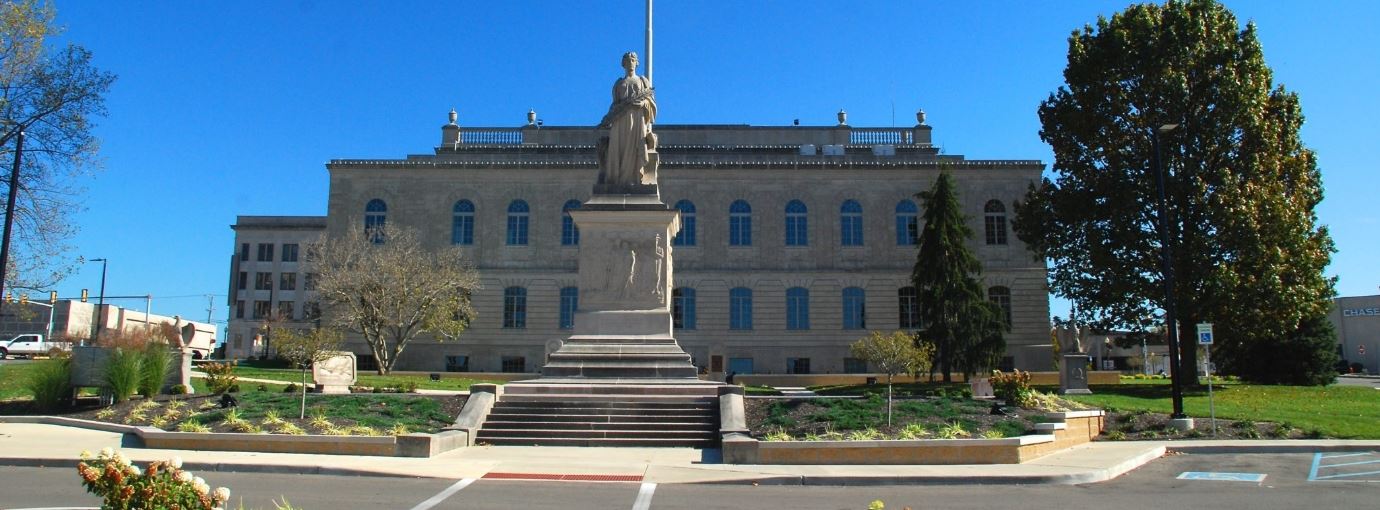
Five Below Bedford and why you should hate it.
Five Below markets itself as the fun, affordable playground for tweens, teens, and budget-conscious parents — a “yes store” filled with trendy toys, snacks, gadgets, and décor priced mostly at $5 or less (with some “Five Beyond” items higher). But beneath the bright lights and impulse-buy displays lies a business model optimized for extraction: vacuuming up local spending while contributing as little as possible back to the communities it serves.
A Model Built on Financial Bloodletting
Five Below’s core strategy is high-volume, low-price, trend-driven retail. The company sources vast quantities of cheap merchandise, turns it over quickly in fun store environments, and relies on constant novelty to drive repeat visits. In fiscal 2025, it generated roughly $4.76 billion in net sales across nearly 1,800+ stores, with plans for aggressive expansion.
This isn’t retail that builds local economies. It’s financial bloodletting: money flows into the store from local families and out to distant shareholders, foreign manufacturers, and a lean corporate structure. The model maximizes extraction at every level:
- Minimal local labor investment: Stores run with lean staffing. Employee reviews frequently cite low pay (often near minimum wage, varying by location but commonly in the $11–$14 range for associates), limited hours, understaffing, and heavy reliance on part-time workers. Managers reportedly shoulder disproportionate workloads.
- Self-checkouts (with caveats): Five Below pushed self-checkout kiosks to reduce labor costs, but scaled them back in many locations due to theft (“shrink”). In practice, associates often handle much of the process anyway — a hybrid that still aims to keep payroll low while shifting some burden to customers.
Almost Entirely Foreign-Produced Goods
Walk the aisles and you’ll see the reality: the vast majority of products are imported. Five Below has historically been a major importer from China (its largest source), with additional sourcing from countries like Bangladesh, Vietnam, India, and others. Shipment records show heavy reliance on overseas factories for everything from toys and accessories to seasonal items.
This means your local Five Below purchase primarily supports:
- Foreign manufacturing labor (often in lower-wage, less-regulated environments).
- International shipping and logistics.
- Corporate profits funneled to executives and Wall Street.
Very little stays in the U.S. community beyond the rent, minimal utilities, and sparse wages. It’s the opposite of a multiplier effect — where local businesses recirculate dollars through wages, suppliers, and taxes.
Squeezing State and Local Resources
Like many big-box and chain retailers, Five Below benefits from operating in a system where companies negotiate tax incentives, property abatements, and economic development deals when opening new stores. These “state money” arrangements — common across retail expansion — reduce the company’s tax burden while communities bear infrastructure and service costs. The model extracts customer dollars and public benefits while returning low-wage jobs and limited economic vitality.
The Real Cost to Families and Communities
Parents: Your kids’ allowance or your quick “treat” run helps fund a machine that prioritizes cheap foreign goods and corporate margins over American workers and sustainable local economies.
Five Below trains young consumers in disposable, trend-chasing buying habits. It normalizes low expectations for quality, labor standards, and community investment. Meanwhile, truly sustainable local retail — independent toy stores, makers, small businesses sourcing domestically or regionally — keeps more money circulating locally, pays better relative wages where possible, and builds character around thoughtful consumption.
Teach Your Children the Difference
Use Five Below visits as teaching moments. Show kids:
- Where things come from: Trace a $5 toy back to overseas factories versus supporting American or local makers.
- Labor reality: Low prices often hide externalized costs — underpaid workers, poor conditions abroad, and minimal local jobs.
- Economic flow: Money spent at chains like this leaks out. Money at a local shop often stays and multiplies.
- Values over trends: Sustainable retail values durability, ethics, and community over constant cheap novelty.
Five Below isn’t evil for existing — discount retail has its place. But its optimized extraction model deserves scrutiny, not celebration. The next time you’re tempted by the bright aisles and low prices, consider what you’re really supporting. Your wallet, your community, and your kids’ understanding of the economy deserve better.
Shop local when you can. Support businesses that invest in the people and places around them. That’s the retail worth loving.